Choosing a small bathroom vanity is not only about finding the narrowest size. The right vanity should fit the room, leave comfortable clearance, and still provide enough storage and surface space for daily use.
This guide explains how to think about vanity width, projection, storage, and visual space before choosing a vanity for a powder room, guest bath, or compact bathroom. For a more tailored starting point, use our Vanity & Washbasin Fit Assistant to compare your room dimensions against vanity and washbasin options.
Width is usually the first measurement customers consider, but projection into the room is often what makes a small bathroom feel comfortable or cramped. A vanity may fit along the wall, but still interfere with walking space, door swing, toilet clearance, or shower access.
Before choosing a vanity, measure both the available wall width and how far the vanity can extend into the room. In tight layouts, a shallower vanity or wall-attached washbasin may work better than a standard-depth cabinet.
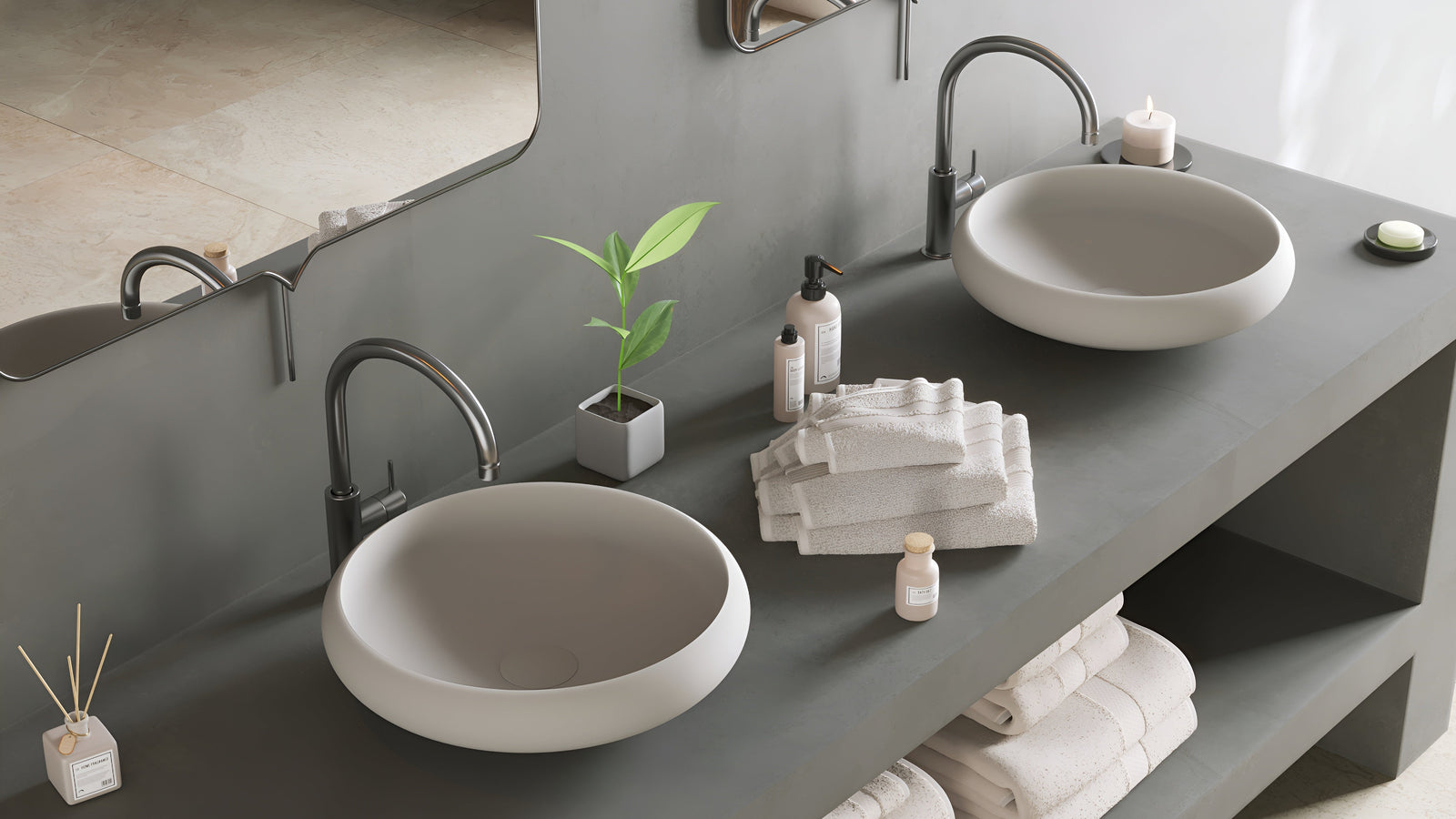
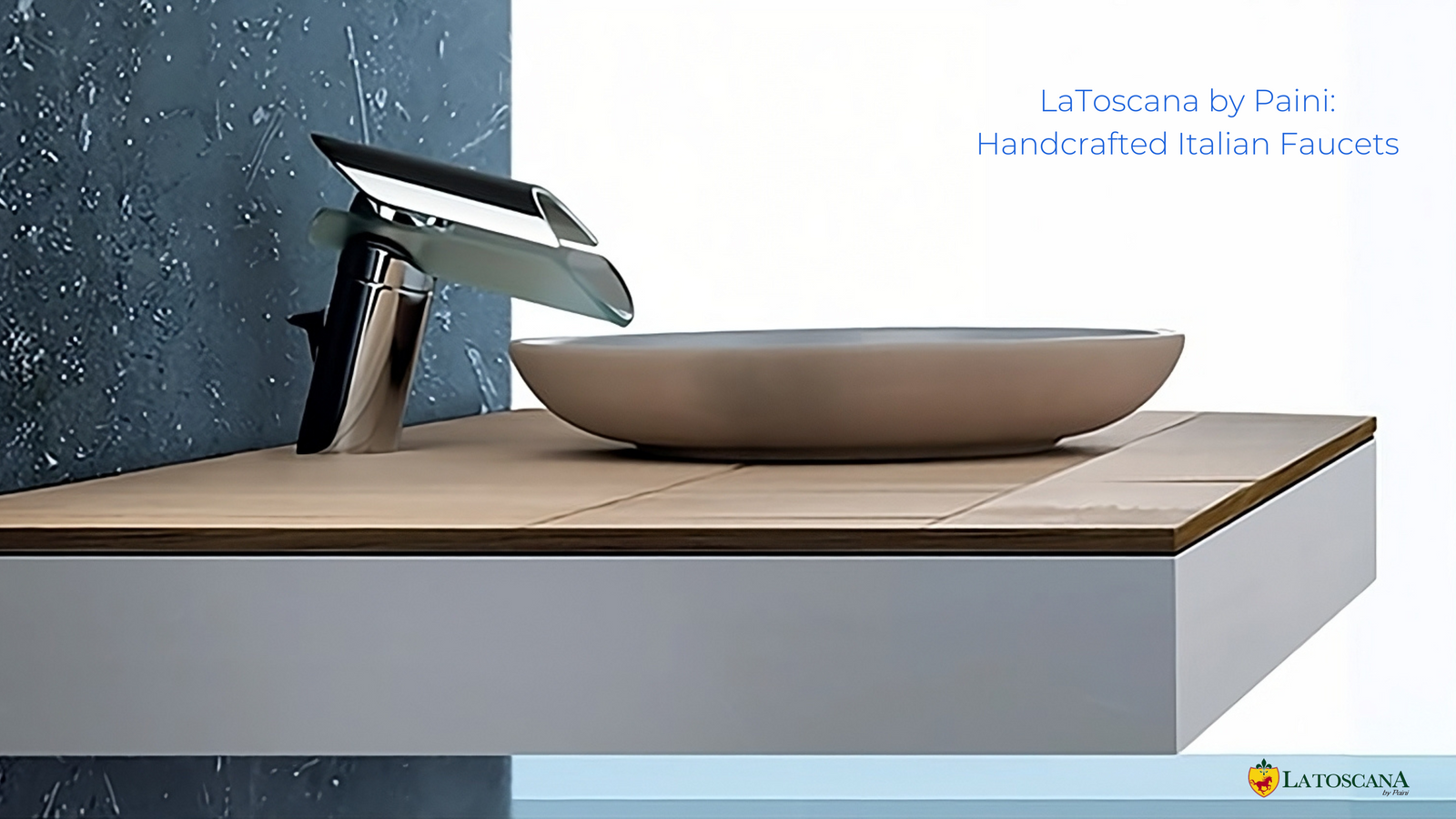
Floating vanities can be especially useful in compact bathrooms because they expose more floor area and create a lighter visual profile. This can make the room feel more open, even when the vanity itself provides meaningful storage.
A floating vanity also creates a more architectural look, which can work well in modern bathrooms, powder rooms, and remodels where the goal is to keep the space clean and uncluttered.
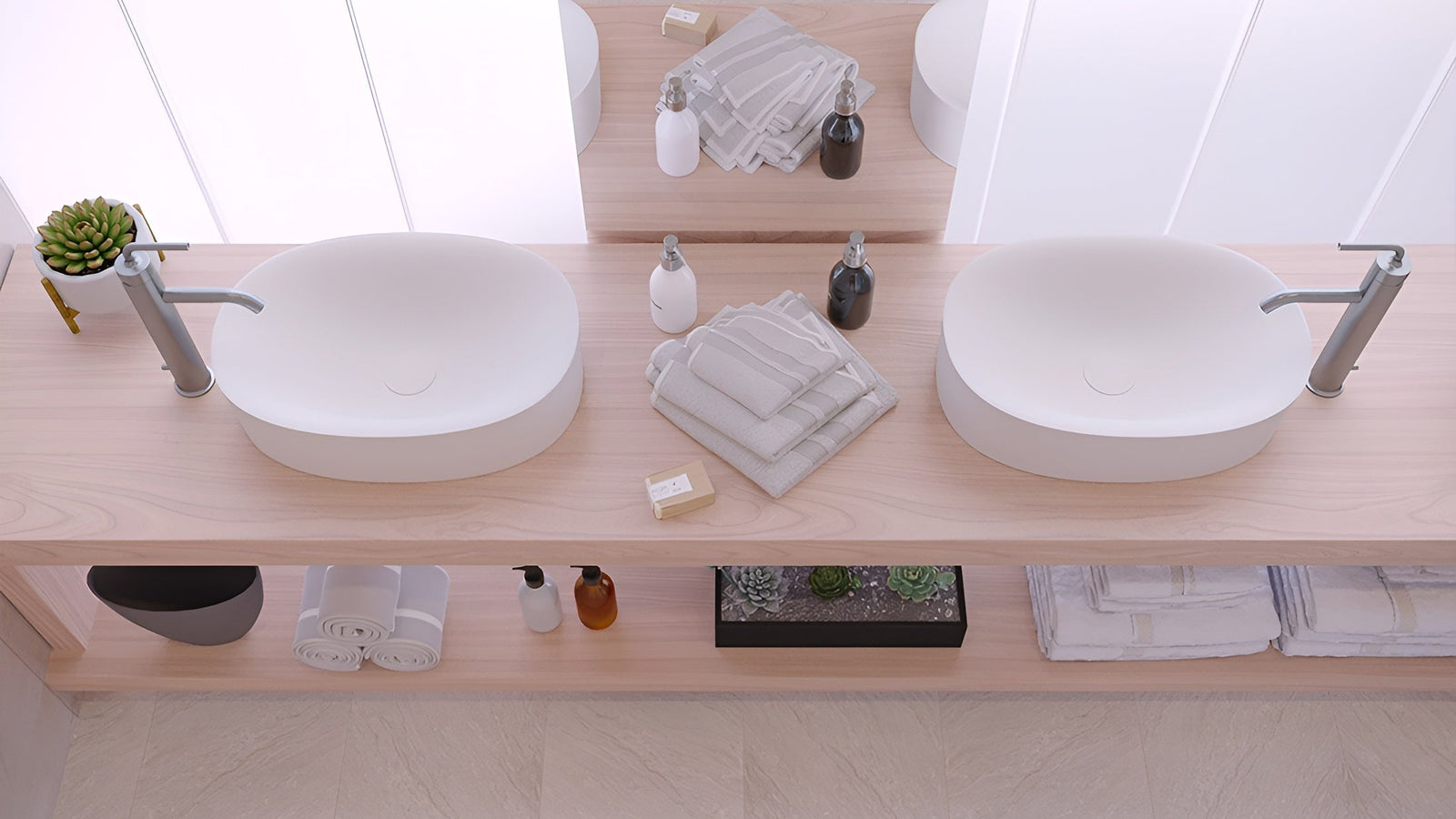
Small bathrooms often require a balance between storage and openness. A deeper vanity may provide more cabinet space, but it can also make the room feel tighter. A smaller or floating vanity may reduce storage, but improve movement and visual comfort.
Think about what actually needs to be stored in the bathroom. If the room is a powder room or occasional guest bath, visual space may matter more than cabinet capacity. If it is a primary bath, storage may deserve more priority.
In some small bathrooms, a vanity is not the best solution. A wall-attached washbasin can preserve more open floor space and reduce projection into the room while still creating a refined, intentional look.
This can be especially useful in powder rooms, narrow guest baths, and layouts where storage is less important than clearance. A well-chosen washbasin should feel like a design decision, not a fallback option.
Before making a final decision, use our Vanity & Washbasin Fit Assistant to compare vanity and washbasin options based on your available space. It can help you decide whether a compact vanity, floating vanity, or wall-attached washbasin is the better fit for your bathroom.
You can also explore our compact wall-mounted washbasins if your layout needs a lighter, more space-efficient solution.
The tool is designed as a planning aid, not a substitute for final measurement or contractor review. Always confirm finished dimensions, plumbing placement, wall support, and installation requirements before ordering.
The best vanity size depends on the room width, projection, door swing, toilet clearance, and walking space. A vanity that fits the wall may still feel too deep if it projects too far into the room.
Yes. Floating vanities can make small bathrooms feel more open by exposing more floor area and reducing visual weight. They are especially useful in modern bathrooms and compact layouts.
Choose a vanity if storage is important. Choose a wall-attached washbasin if the room is very tight, storage is less important, or you want a more open layout for a powder room or guest bath.
Both matter, but depth and projection often create the biggest layout issues in small bathrooms. A narrower vanity can still feel bulky if it extends too far into the room.