Choosing the right bathroom vanity means balancing size, storage, installation style, countertop options, sink configuration, and the overall feel of the room. A vanity is often one of the most visually important pieces in a bathroom, so it should fit the space as well as the design.
This guide explains the main decisions to review before choosing a bathroom vanity, including width, projection, floating versus freestanding construction, single versus double layouts, vanity tops, and made-to-order considerations. For layout help, use our Vanity & Washbasin Fit Assistant to compare vanity and washbasin options based on your available space.
Vanity size should be based on more than wall width. The full footprint of the vanity, including projection into the room, affects walking space, door swing, toilet clearance, shower access, and daily comfort.
A wider vanity can provide more storage and counter space, but it may not be the best choice if the room begins to feel crowded. In compact bathrooms, projection is often the limiting measurement. A vanity that fits along the wall may still extend too far into the usable space.
If you are working with a smaller bathroom or powder room, review our Small Bathroom Vanity Guide before choosing a size.
Floating vanities mount to the wall and leave the floor visible beneath the cabinet. This can make a bathroom feel lighter, cleaner, and more architectural, especially in modern spaces or compact layouts where visual openness matters.
Freestanding vanities sit on the floor and often feel more traditional or furniture-like. They can add visual weight and presence, which works well in bathrooms where the vanity is meant to feel like a substantial design element.
You can compare our wall-mounted vanities and freestanding vanities to decide which style better fits your room.
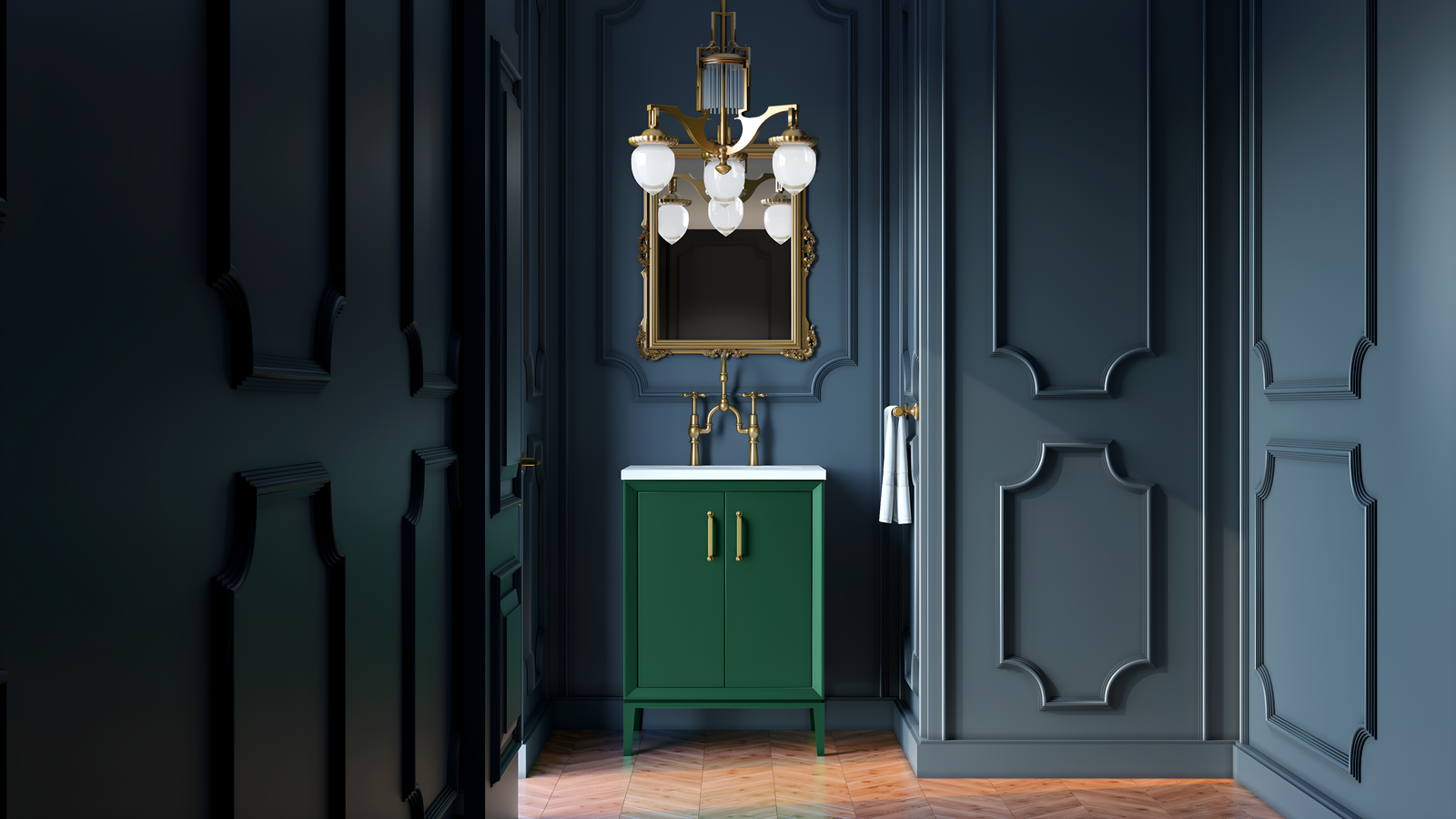
A single vanity is usually best for powder rooms, guest baths, smaller bathrooms, and layouts where one sink is enough for daily use. Single vanities can also leave more open space in the room and may allow for better clearance around nearby fixtures.
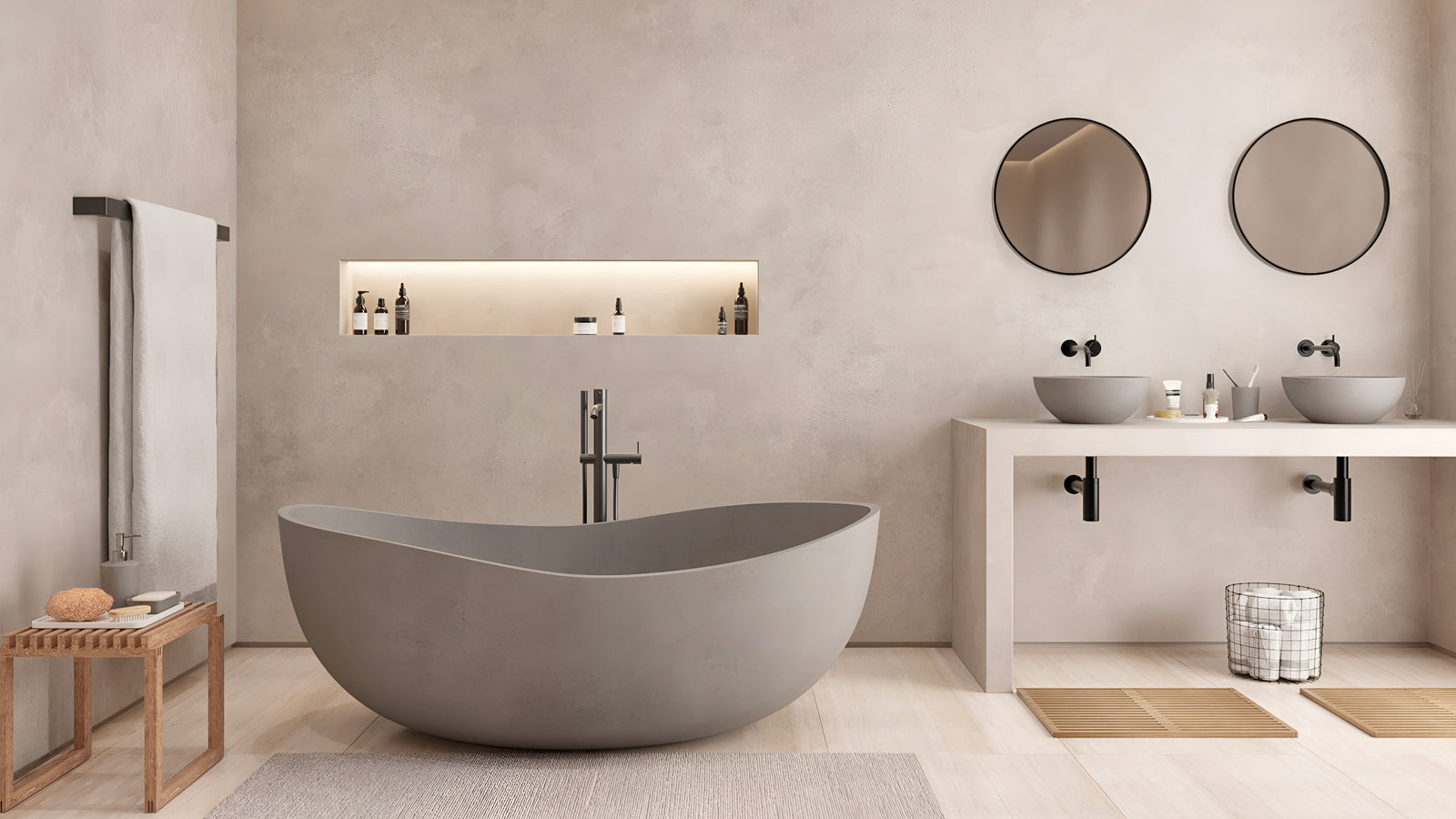
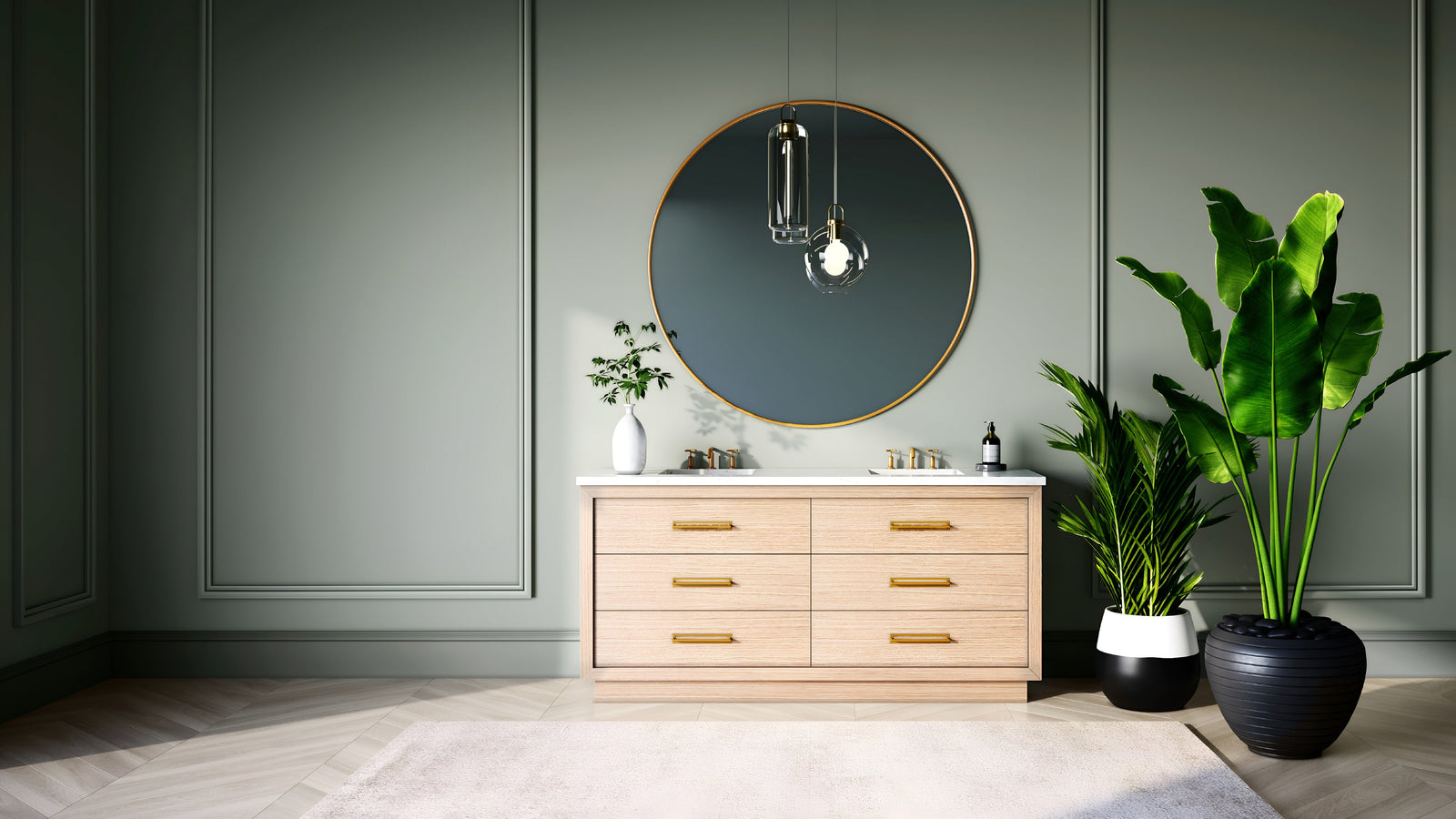
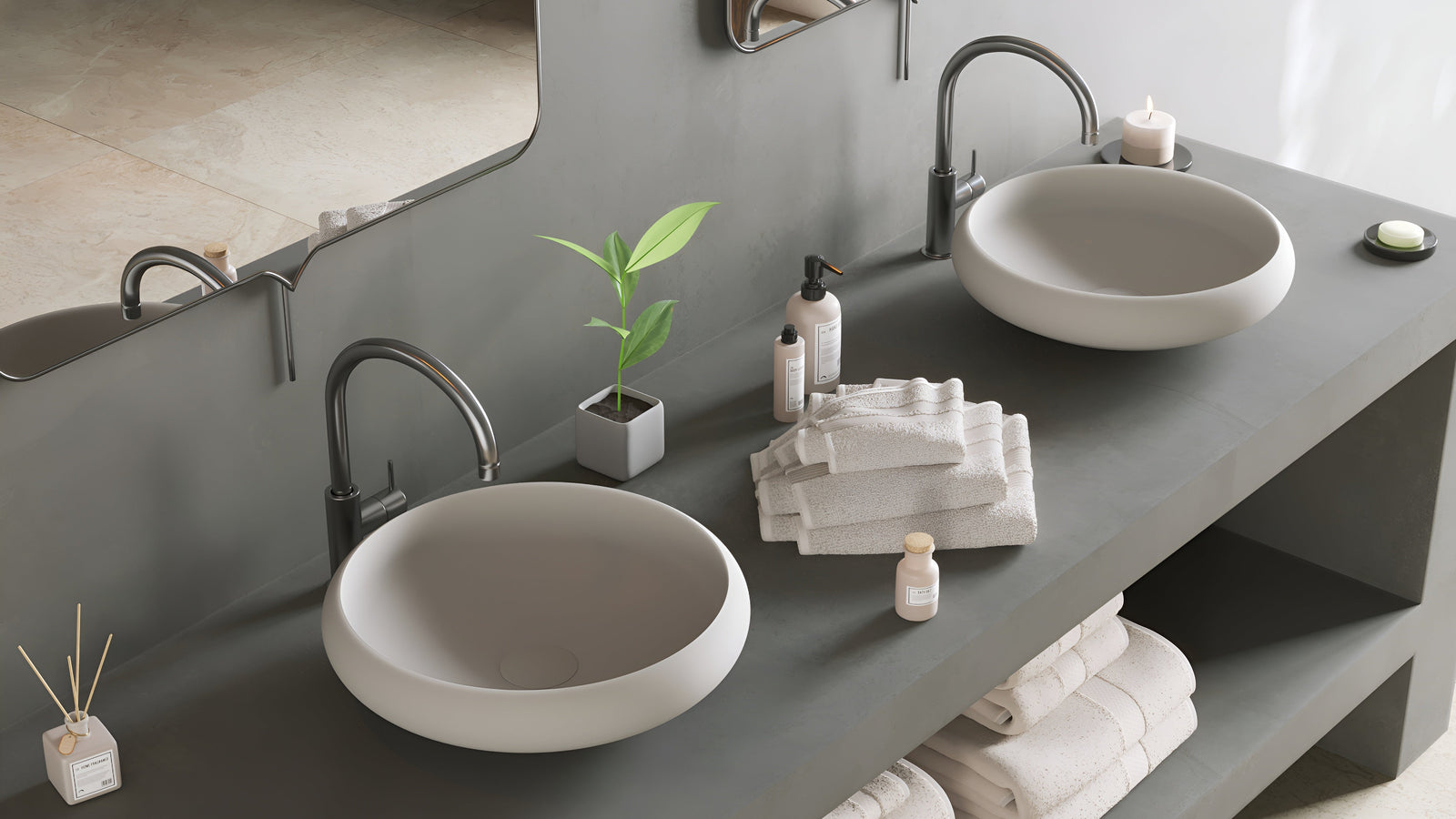
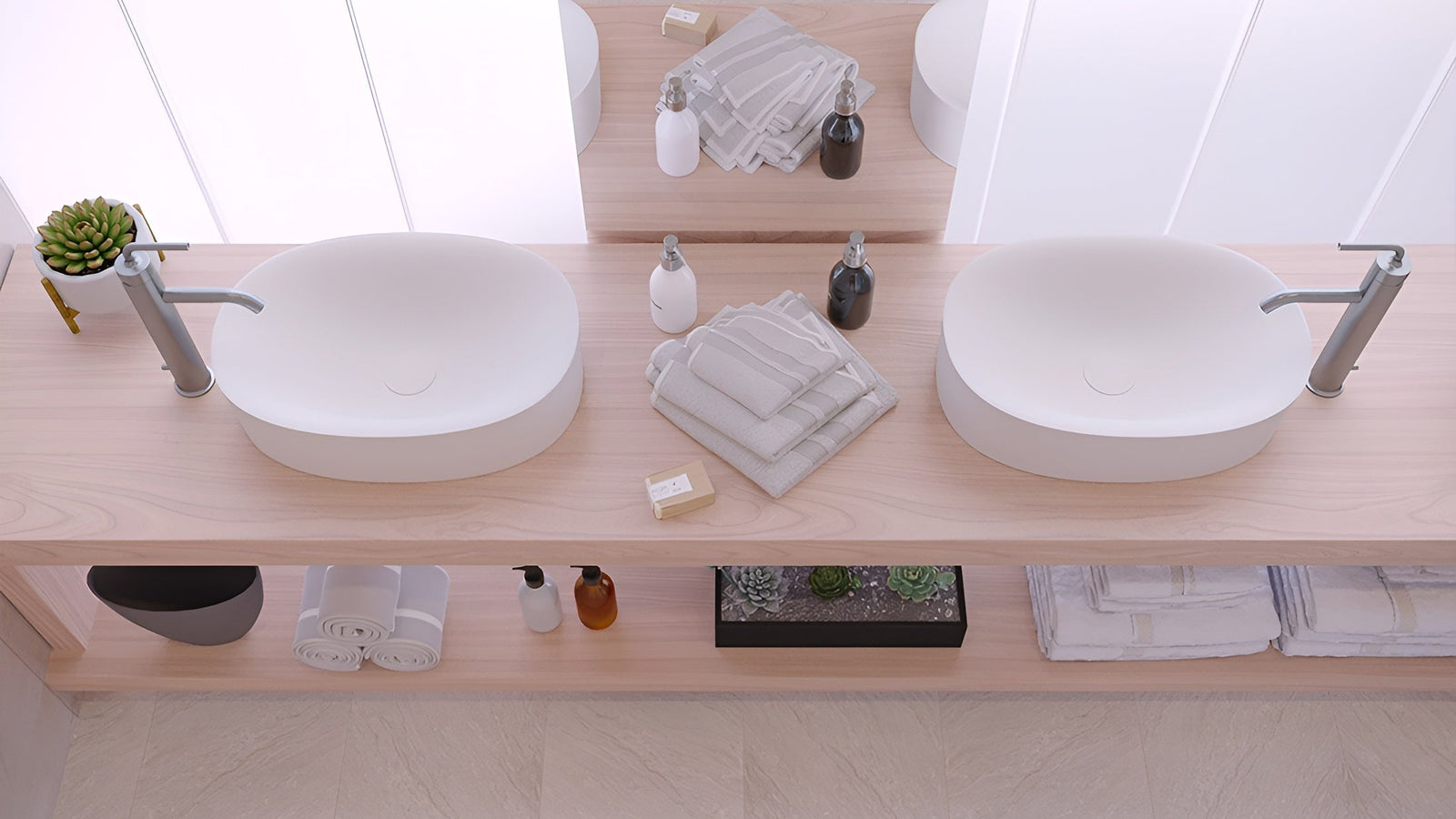
Double vanities work best in wider bathrooms where two people regularly use the space at the same time. They can improve function in primary bathrooms, but they also require more wall width, more countertop space, and careful planning around plumbing and storage.
Before choosing a double vanity, confirm that the room has enough width and clearance to support it comfortably. A double vanity that feels too large for the room may reduce the sense of openness and make the layout feel less refined.
Vanity tops, sink placement, and faucet compatibility should be reviewed before ordering. Some vanities are sold as bases, while others may be available with coordinated countertop and sink combinations. The right configuration depends on the vanity size, the room layout, and how the bathroom will be used.
Single-sink configurations usually provide more counter space on smaller vanities. Double-sink configurations can improve daily function in shared bathrooms, but they reduce uninterrupted countertop area and may require more precise plumbing coordination.
If you are choosing a made-to-order or configurable vanity, review the available top, sink, and faucet options carefully. These details affect both appearance and installation, and they should be confirmed before the order is finalized.
Ready-to-ship vanities can be practical when timing is the main priority, but they may offer fewer choices in size, finish, countertop, or sink configuration. They are often selected for convenience and speed.
Made-to-order vanities are different. They are usually configuration-based, furniture-grade products built around selected dimensions, finishes, tops, and sink layouts. This can create a more tailored result, but it also means the order should be reviewed carefully before production begins.
For premium vanities, made-to-order should not be viewed as complicated for the sake of being complicated. It is often the process that allows the vanity to better suit the room, the design intent, and the customer’s preferred configuration.
A vanity can influence more than storage and style. It affects the way the bathroom feels, how the floor space functions, and how much visual weight sits in the room. In some remodels, choosing the right vanity size or installation style can make the difference between a bathroom that feels balanced and one that feels crowded.
If you are thinking through the broader investment, use our Bathroom ROI Calculator as a planning aid. It can help frame how product choices fit into the overall remodel rather than treating the vanity as an isolated purchase.
Before ordering a vanity, confirm the finished room dimensions, vanity width, projection, plumbing location, faucet compatibility, countertop selection, sink configuration, wall support if applicable, and delivery access. These details are especially important for larger or made-to-order vanities.
You can explore our bathroom vanities or view our Vanderloc vanities for furniture-grade, configurable vanity options. For layout guidance, use the Vanity & Washbasin Fit Assistant before making a final decision.
The Vanity & Washbasin Fit Assistant is designed as a planning aid, not a substitute for final measurement or contractor review. Always confirm dimensions, plumbing, wall support, installation requirements, and configuration details before ordering.
Start with the available wall width, but also measure projection into the room, walking space, door swing, toilet clearance, shower access, and nearby fixtures. A vanity should fit the wall and still feel comfortable in the finished layout.
Floating vanities can work very well in small bathrooms because they expose more floor area and create a lighter visual profile. They are not always the right choice, but they can help compact spaces feel more open.
Choose a single vanity when space is limited or one sink is enough for the room. Choose a double vanity when the bathroom is wide enough and two people regularly use the space at the same time.
Made-to-order vanities can be worth considering when you want a more tailored size, finish, countertop, or sink configuration. They require more planning than ready-to-ship options, but they can create a more refined and better-fitted result.
Confirm the vanity dimensions, projection, plumbing placement, countertop and sink configuration, faucet compatibility, wall support if needed, delivery access, and installation requirements before placing the order.